How Slow Should an Easy Run Be? Find Your Comfortable Range with Heart Rate and Pace
Easy runs create a familiar kind of doubt. Push the pace, and a recovery day turns into work. Slow down, and it can feel as if the run barely counts.
There is no pace that makes an easy run easy for everyone. A useful target is simpler: finish with something left, be able to train normally the next day, and repeat the effort week after week. Put perceived effort, heart rate, and pace side by side, and your own comfortable range starts to show.
What should an easy run feel like?
At the finish, you should still feel that you could keep going for a while.
During the run, look for a few everyday signs:
- You can speak in full sentences without breaking the conversation into a few words at a time.
- Your breathing stays settled, and you still notice the route, your music, or the person beside you.
- Your legs have some spring left afterwards; the next day does not become a full recovery project.
When most of those are true, the effort is usually in easy-run territory. It is not a lab test, but it travels well: sleep, heat, hills, fatigue, and stress all change how the body responds on a given day. The watch gives you clues. It should not give orders.
Pace is only part of the picture
A 6:00/km pace can be conversational for one runner and close to threshold for another. The same runner may find it easy on a cool morning and demanding after a string of late nights, on a climb, or into a headwind.
Pace tells you how fast you moved. It does not always tell you what that speed cost. Avoid borrowing another runner's easy pace, and do not turn one unusually good day into a daily standard.
A flat, familiar route is useful for finding your reference point. On a reasonably comfortable day, after no hard session the day before, run for 40 to 60 minutes. Those records make good samples: later, you can see whether pace, heart rate, and feel line up again.
Use heart rate without letting it run the session
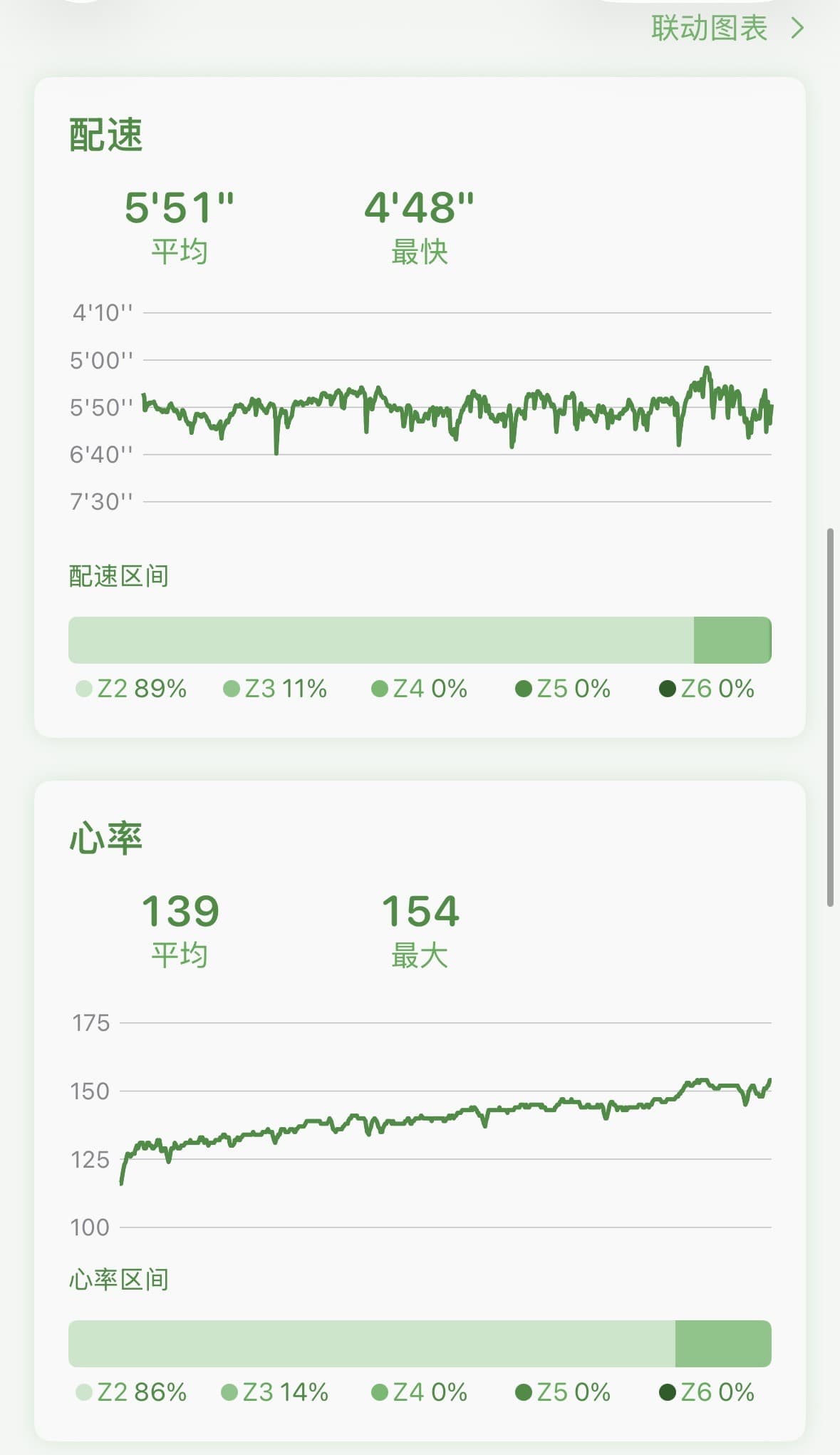
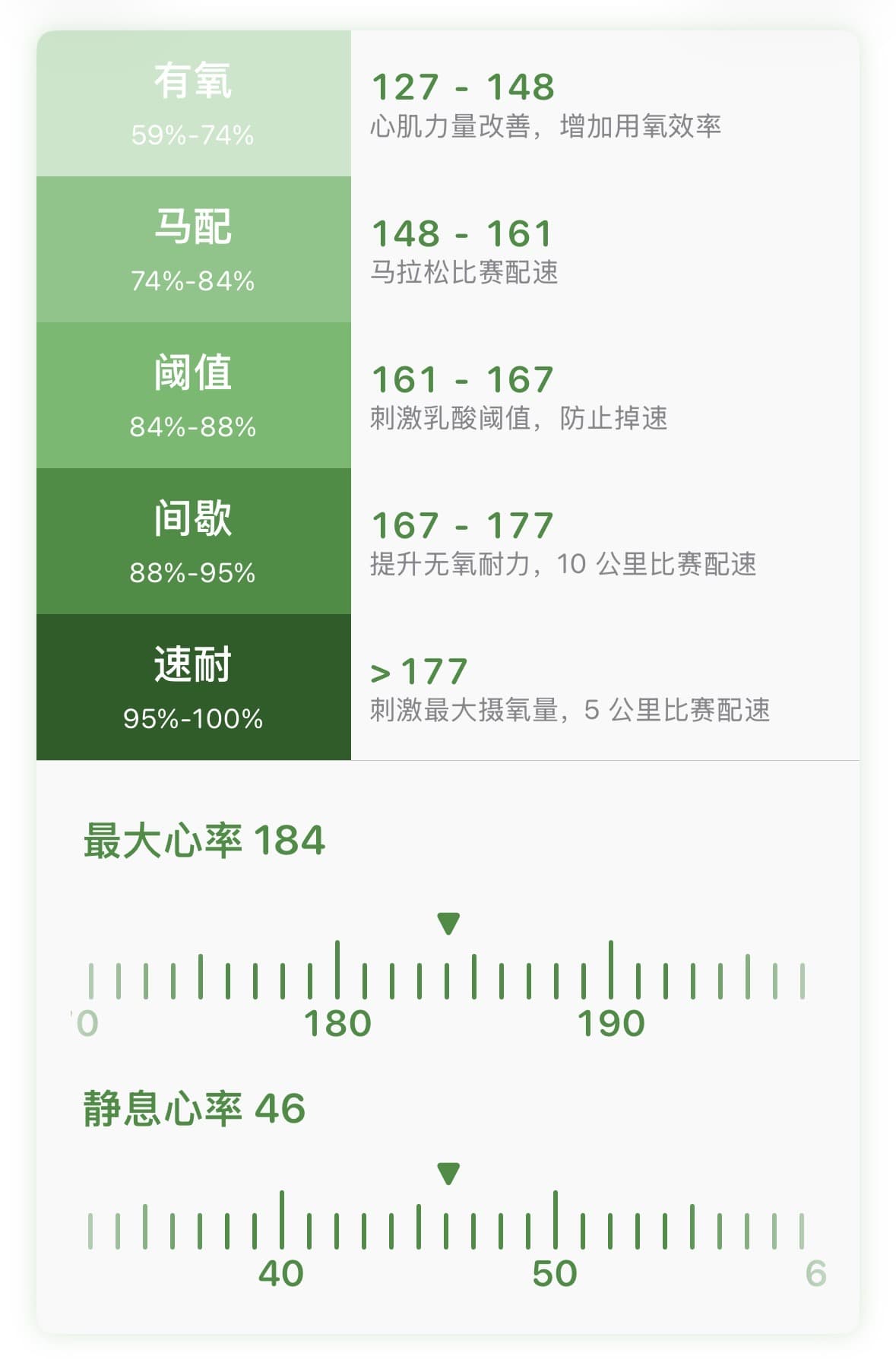
Heart rate is helpful when it has context. With your zones set up, most easy running will sit in the lower-intensity range. A brief rise for a short hill, an overtake, or a traffic light is ordinary. It deserves more attention when your heart rate keeps climbing at a steady pace and your breathing and legs are getting heavier too.
When that happens, check a few things before changing your whole plan:
- Conditions. Heat, humidity, wind, and hills all raise heart rate.
- Recovery. Poor sleep, a demanding session yesterday, or a stressful week can make a familiar pace feel expensive.
- Fuel and fluids. Running fasted, dehydration, and a long outing can change the second half of a run.
- The pattern. If it happens across several runs, slowing the easy pace or adjusting the training week may make sense.
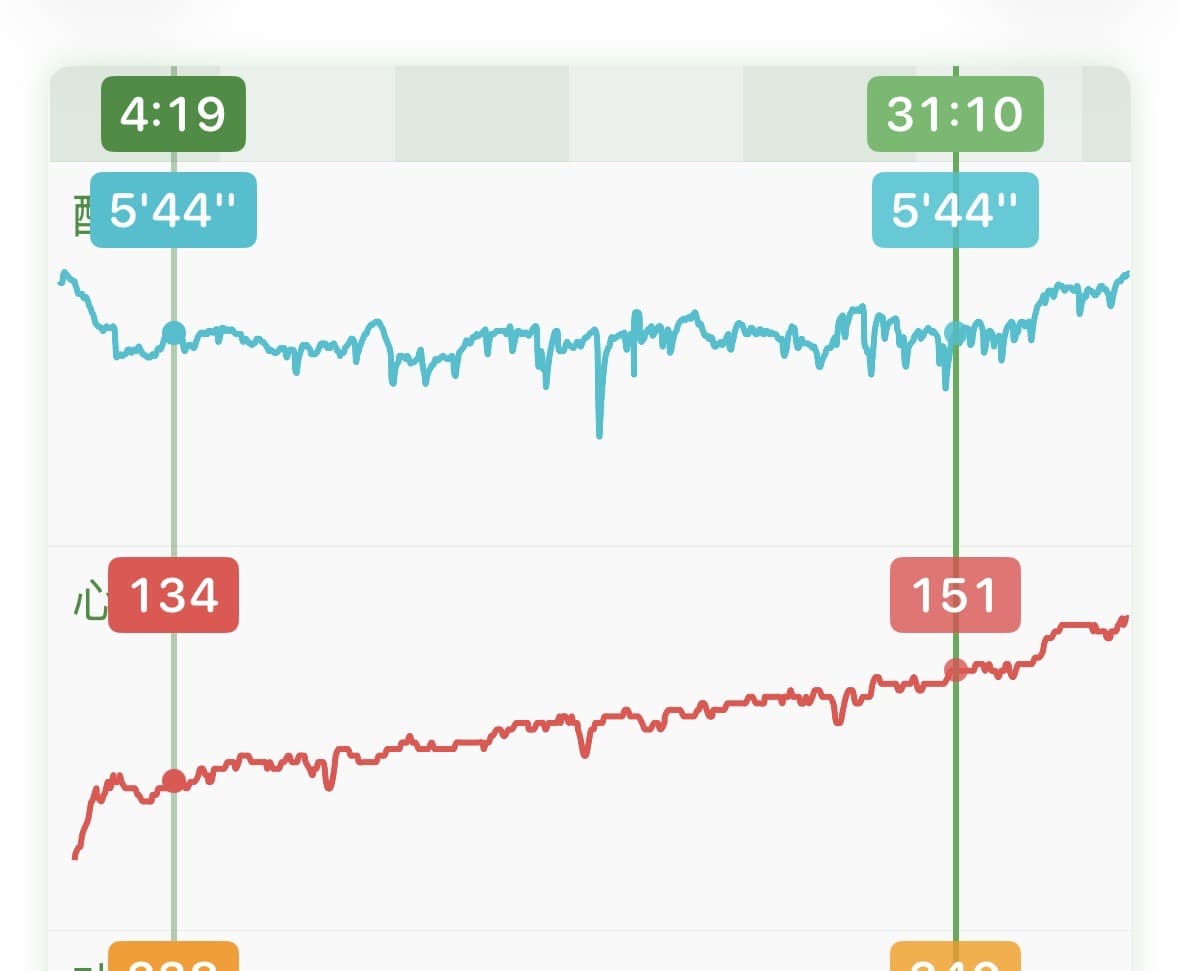
On a longer run with a stable pace, you can also watch for a gradual rise in heart rate. Aerobic fitness, cooling, hydration, and the day's condition can all contribute. PaceGuru offers a closer look in Aerobic Decoupling & Fitness Score; one run alone is not enough to settle the question.
When pace and heart rate disagree
Give the body's response priority over the planned pace.
Say your easy runs are usually around 6:00/km. If, ten minutes in, your breathing already feels labored and your heart rate is higher than usual, easing back to 6:20/km—or mixing in some walking—is a better choice than forcing 6:00/km.
The reverse happens too. On a cool day when you feel fresh, a slightly quicker pace may still leave you talking comfortably with a stable heart rate. There is no need to slow down until the stride feels unnatural. Easy runs support the next quality session and your long-term volume; speed is only one outcome of that work.
One simple order of priority helps:
Feel tells you whether the run is easy. Heart rate can flag a change. Pace makes the run comparable later.
Calibrating your own easy-run range
You do not need a laboratory test or one perfect pace. Two or three weeks of steady records will usually reveal enough.
Start with two ordinary easy runs
Choose 40 to 60 minutes on a flat or gently rolling route. Do not chase a faster time, and do not drag your stride just to suppress a number on the watch. After each run, note your average pace, average heart rate, and how it felt. On a 1-to-10 scale, an easy run will usually feel like a light 3 or 4.
Look for a range that repeats
Compare two or three runs. A pace that brings steady breathing, no unusual heart-rate rise, and no hit to the next day's training is probably close to your current easy range.
The goal is not to nail every kilometre to the second. It is more useful to know your comfortable range in normal weather, and how willingly you will slow down in heat, fatigue, or on hills.
Revisit it every few weeks
As aerobic fitness improves, the same heart rate may carry you a little faster. When training fatigue builds, an old pace can temporarily feel harder. Recheck the range using a few steady runs every four to six weeks.
Four common easy-run mistakes
1. Running every easy day "a little hard"
This is the classic trap. The effort is too low to be a clear quality stimulus and high enough to interfere with recovery. Over time, the sessions that should be genuinely hard suffer too. For a broader view of intensity distribution, read Why Elite Athletes Spend 80% of Their Time Training Easy.
2. Treating wrist heart rate as absolute truth
Wrist-based readings can be affected by fit, skin temperature, arm swing, and the environment. If a number looks implausible, check the fit and your actual effort first. Do not let one odd reading derail the whole run.
3. Using race pace as a weekday baseline
Race-day excitement, rest, and fueling are very different from an after-work jog on a Tuesday. An easy run serves your training week; it does not need to prove that you are in great shape.
4. Ignoring warning signs from your body
An easy run should not come with chest pain, dizziness, unusual shortness of breath, or persistent discomfort. Stop exercising if these occur and seek qualified medical advice as appropriate. Training data cannot replace medical judgement.
How to review an easy run in PaceGuru
You do not need to inspect every number after every run. Three checks are enough:
- On the detail page, place pace and heart rate on the same timeline and see whether they were broadly stable.
- Compare them with your own pace and heart-rate ranges. Did most of the run land where you expected?
- Put the record beside a few easy runs of a similar distance. Is this a one-off fluctuation or a change that is starting to repeat?
Reviewing is not an exam. It gives the next run a clearer starting point: follow the plan, or slow down a little and simply get the work done.
Easy running is what lets you keep running
A good easy run rarely feels dramatic. It is the foundation that holds up more volume and lets hard sessions be hard when the time comes.
Before heading out, trade the question "How fast should I run today?" for "Can I finish today comfortably?" As pace, heart rate, and feel begin to agree, your easy-run range becomes much clearer.